
Context
vSphere is VMware’s flagship product, enabling virtualization of compute, storage, and networking resources.
As an industry-leading platform with over 300,000 global enterprise customers, vSphere generates approximately 40% of VMware’s revenue (~$5B annually). Beyond its core capabilities, vSphere serves as the foundation for other VMware products, delivering value-added services such as infrastructure operations, management, and automation.
However, with evolving enterprise needs, including leaner IT operations, cloud expansion, centralized management, and modern application development, vSphere required a strategic transformation. The platform needed to evolve into a SaaS offering, providing seamless access to cloud services while enabling enterprises to extend effortlessly into VMware’s vSphere-based multi-cloud ecosystem.
The two-year transformation initiative redefined vSphere as a cloud-connected experience, laying the groundwork for VMware’s vision of a multi-cloud platform powered by vSphere.
My Role
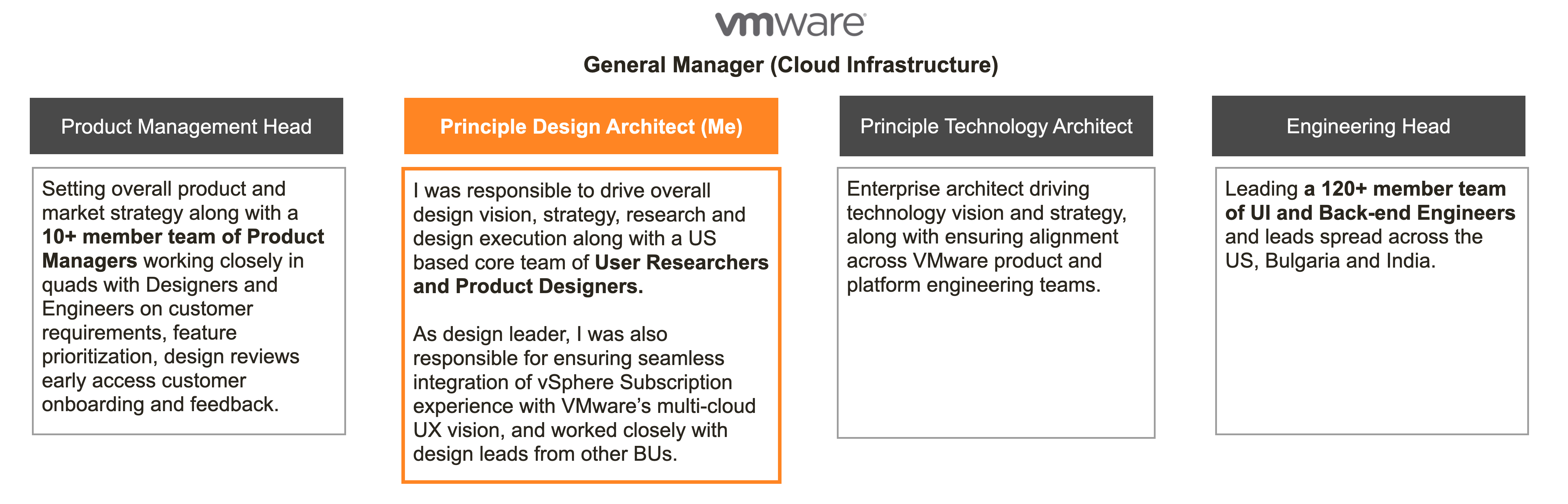
As Senior Director and Principal Product Designer, I led a 25+ member cross-functional team of user researchers, product designers, and front-end engineers from inception to implementation. Collaborating with Principal Engineers, Chief Architects, and VPs of Product Management and Engineering, I drove strategic alignment while managing design trade-offs to ensure product-market fit. I worked closely with sales, marketing, and strategic account managers, ensuring a customer-centric approach by working backwards from customer needs. Additionally, I spearheaded cross-BU design collaboration, ensuring a consistent and seamless user experience across VMware’s portfolio.
My role began at the incubation stage, where I partnered with executive sponsors and business stakeholders to understand the business strategy, customer context, and industry landscape. I defined a human-centered design approach, aligning user experience best practices with business objectives to deliver industry-leading solutions.
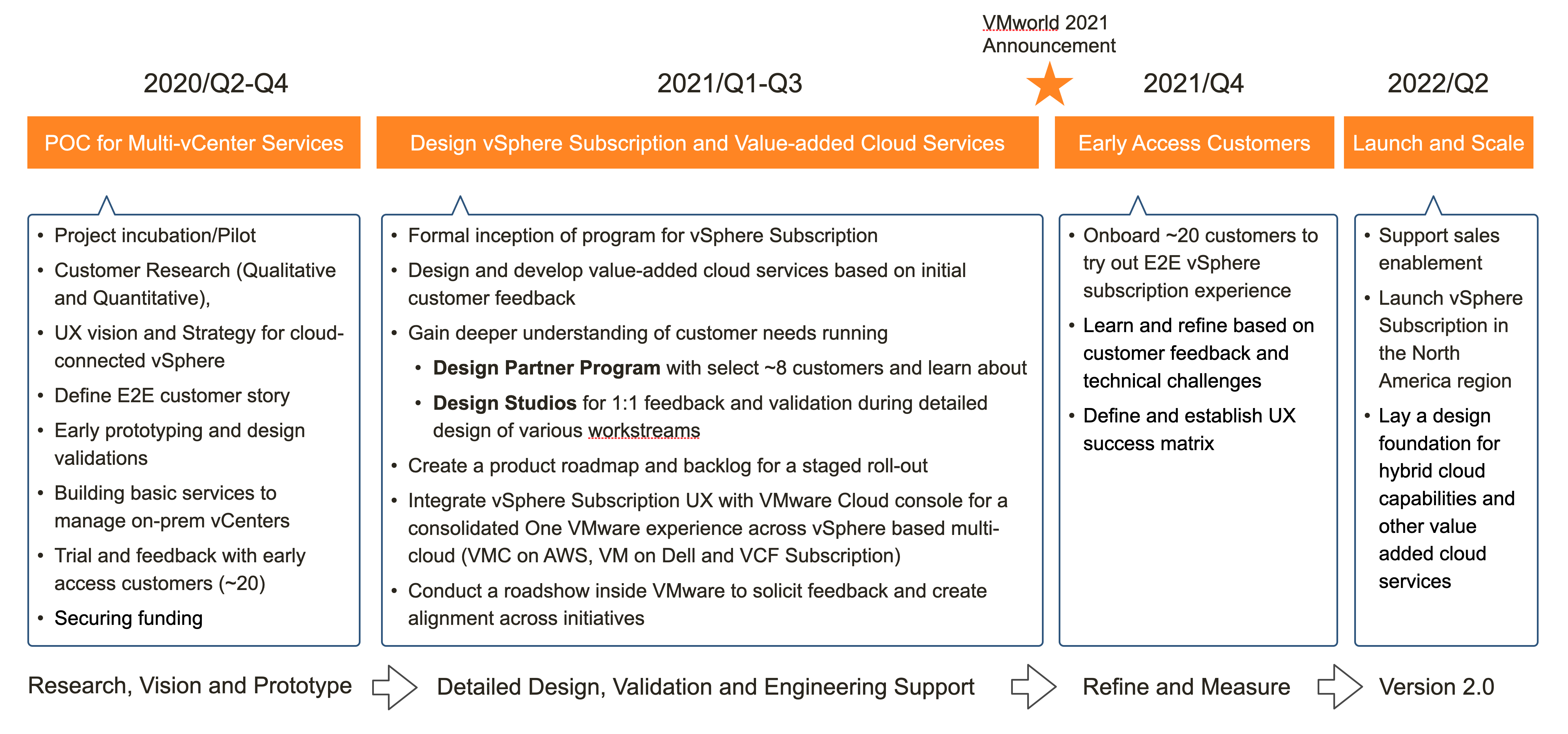
Program Timelines
Customer Research and Feedback
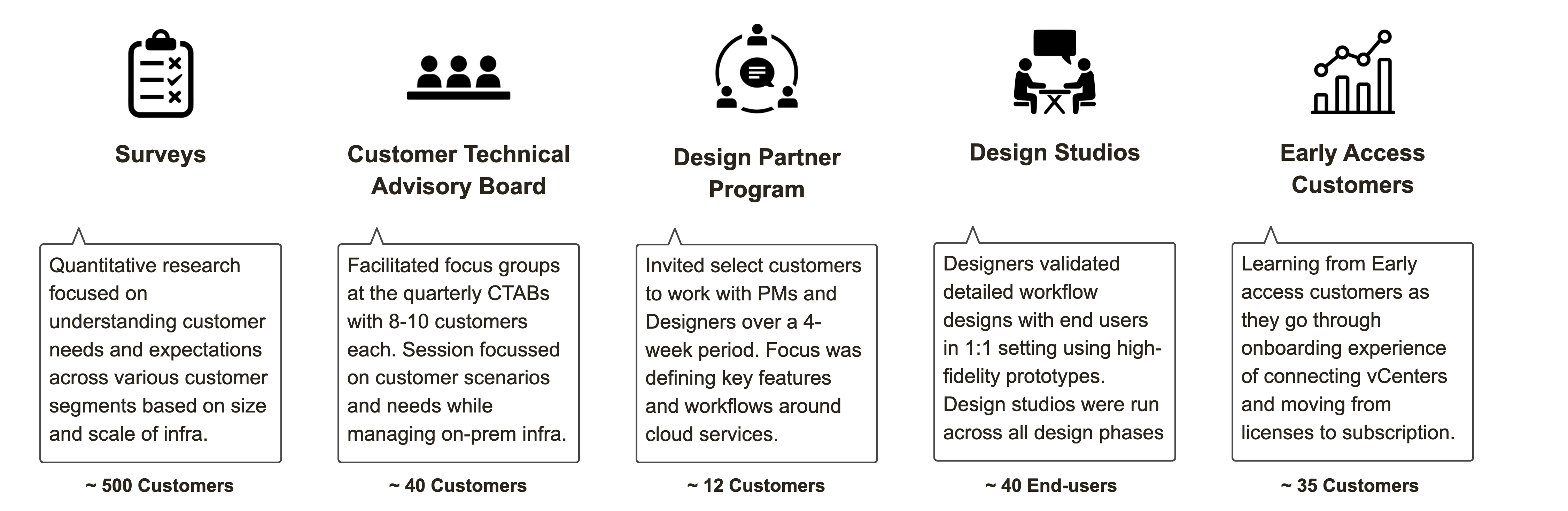
We actively engaged with customers and end-users throughout the Definition, Design, Development, and Delivery phases of the program. The design team, in collaboration with Product Managers, facilitated focus groups during Customer Technical Advisory Board (CTABs) and the Design Partner Program. Additionally, Design Leads independently conducted Design Studios to validate key workflows and screen designs in 1:1 settings.
I led the focus groups at CTABs and within the Design Partner Program, while also collaborating with Design Leads to plan and analyze outcomes from Design Studios.
Customer Need and Opportunity
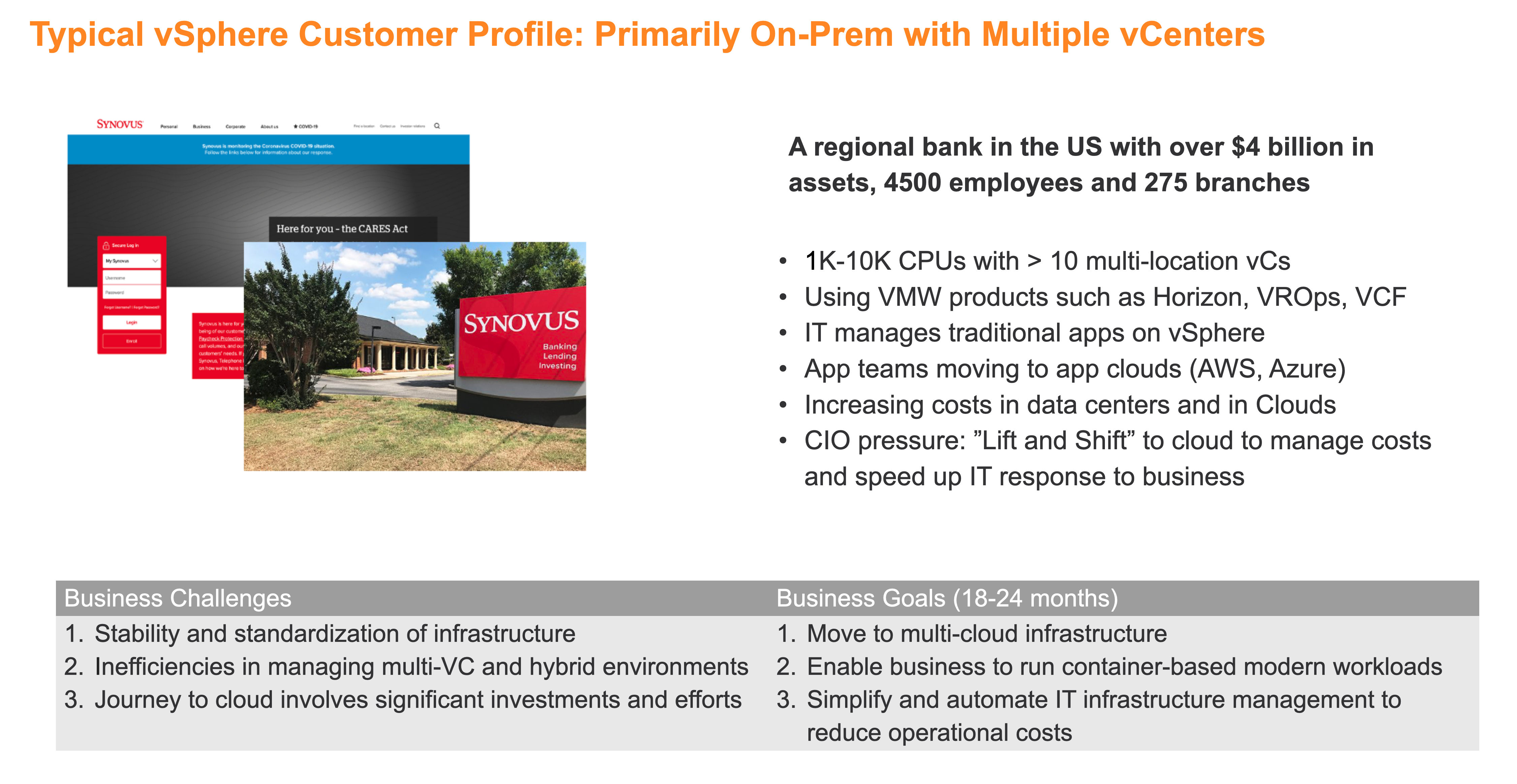
Surveys indicate that 72% of vSphere customers seek to manage their on-prem infrastructure with cloud-like ease, ensuring faster response times for development teams, a stable and secure environment, reduced downtime, and lower operational costs. Telemetry data from approximately 100,000 vCenters reveals that VI Admins spend an average of three hours per vCenter per day on management tasks.
However, customers struggle to maintain a consistent and predictable infrastructure due to the lack of tools for designing and enforcing configuration standards for vCenter-based deployments. This leads to unplanned downtime, excessive troubleshooting, and increased risk of misconfiguration as infrastructure scales.
To enhance customer productivity and efficiency, we aim to provide tools for defining vCenter configuration profiles, assessing compliance, and remediating deviations. Additionally, we plan to extend these capabilities as a cloud-based service, enabling customers to centrally monitor and manage multiple heterogeneous vCenters from a unified cloud console.
Solution
We mapped the key stages of the customer journey and structured them into prioritized workstreams. Design leads for each workstream collaborated closely with their respective cross-functional quads, comprising Product Managers and Engineers. I played a hands-on role in design reviews, ensuring a cohesive and seamless integration of these segments into the overall user experience.

Design
Guided Onboarding Experience
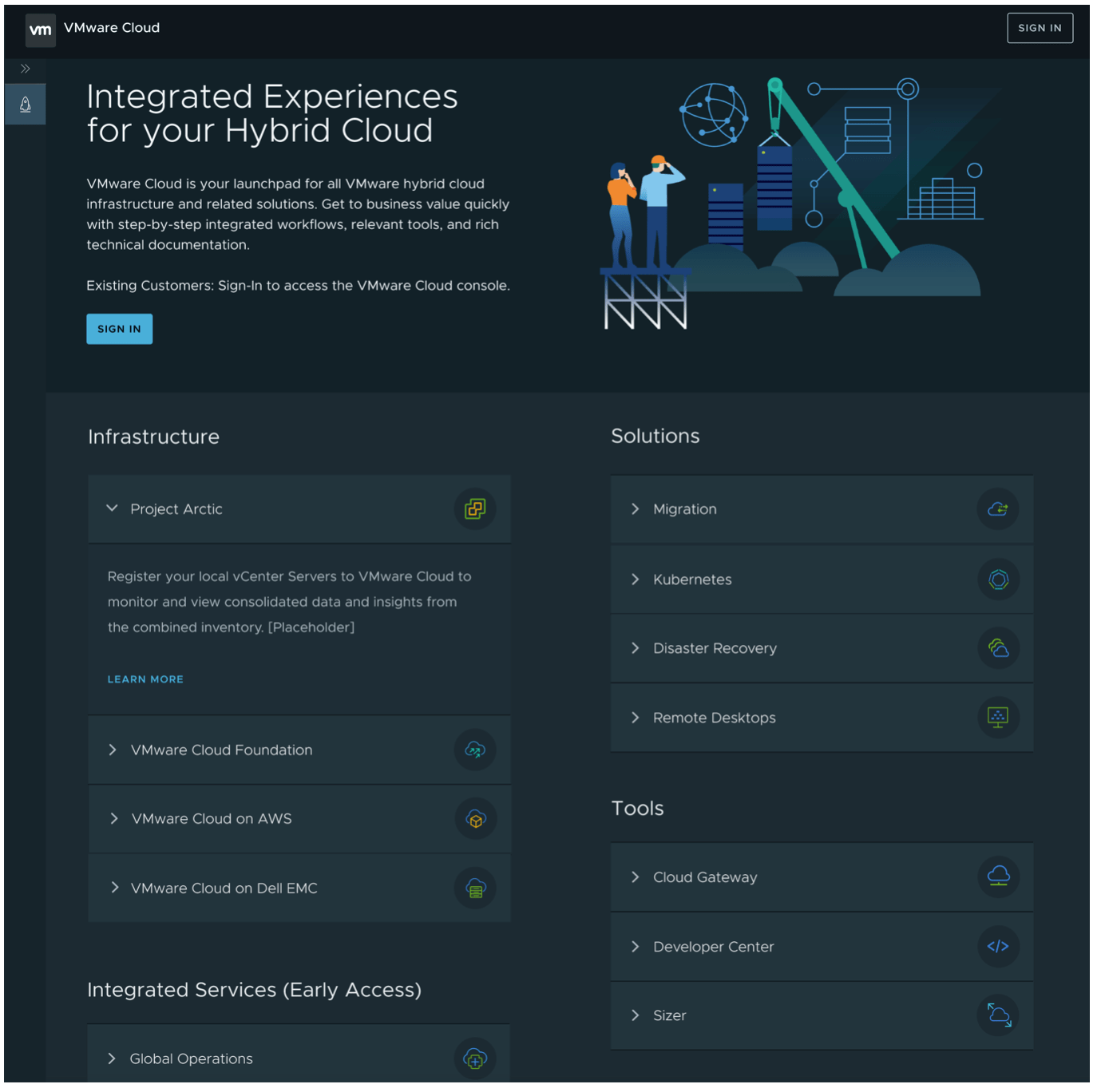
The VMware Cloud Launchpad provides customers with a comprehensive overview of vSphere-based infrastructure types, solutions, tools, and integrated services, supporting them throughout the learn-try-buy journey.
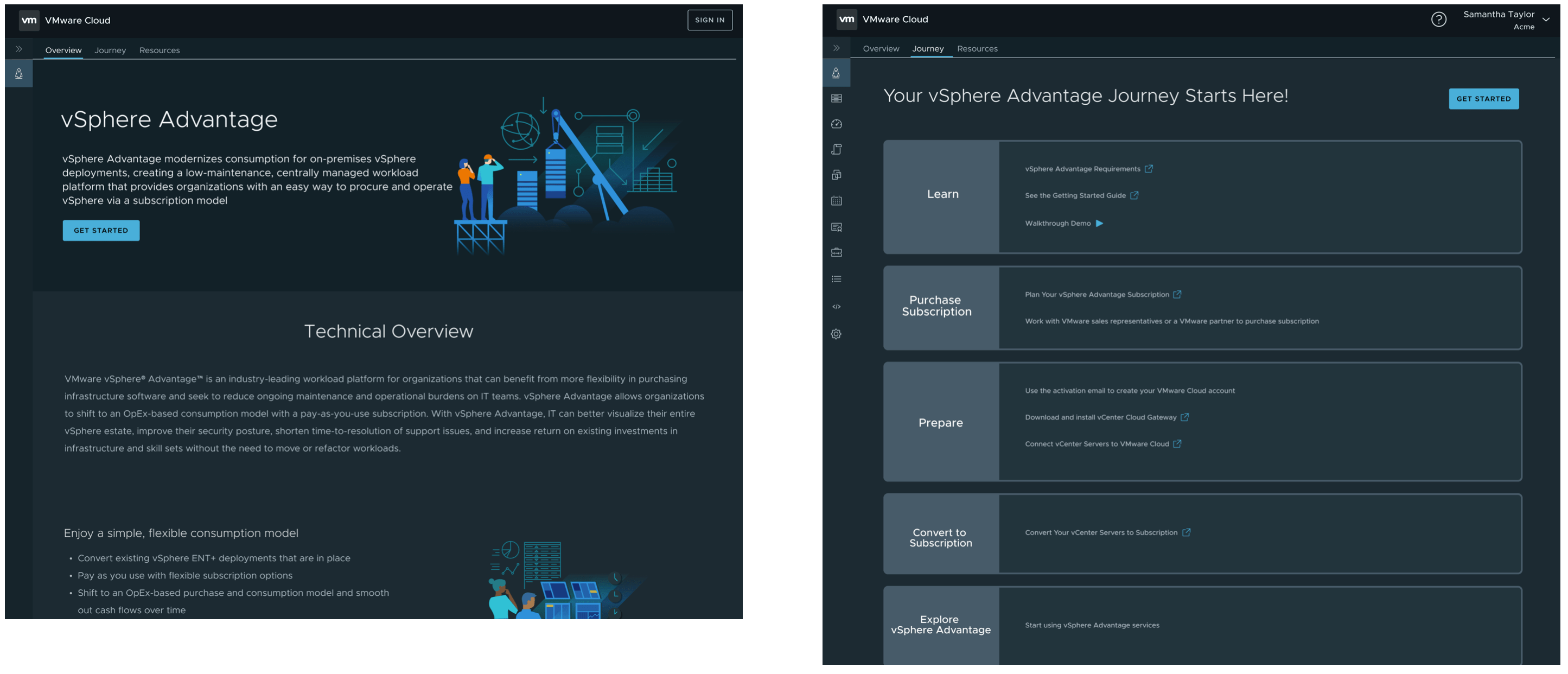
The guided experience on the VMware Cloud Console offers Enterprise Architects and VI Admins a technical overview of vSphere Advantage, a step-by-step onboarding journey, and access to key reference resources for seamless adoption.
Simplified Conversion of Licenses to Subscription
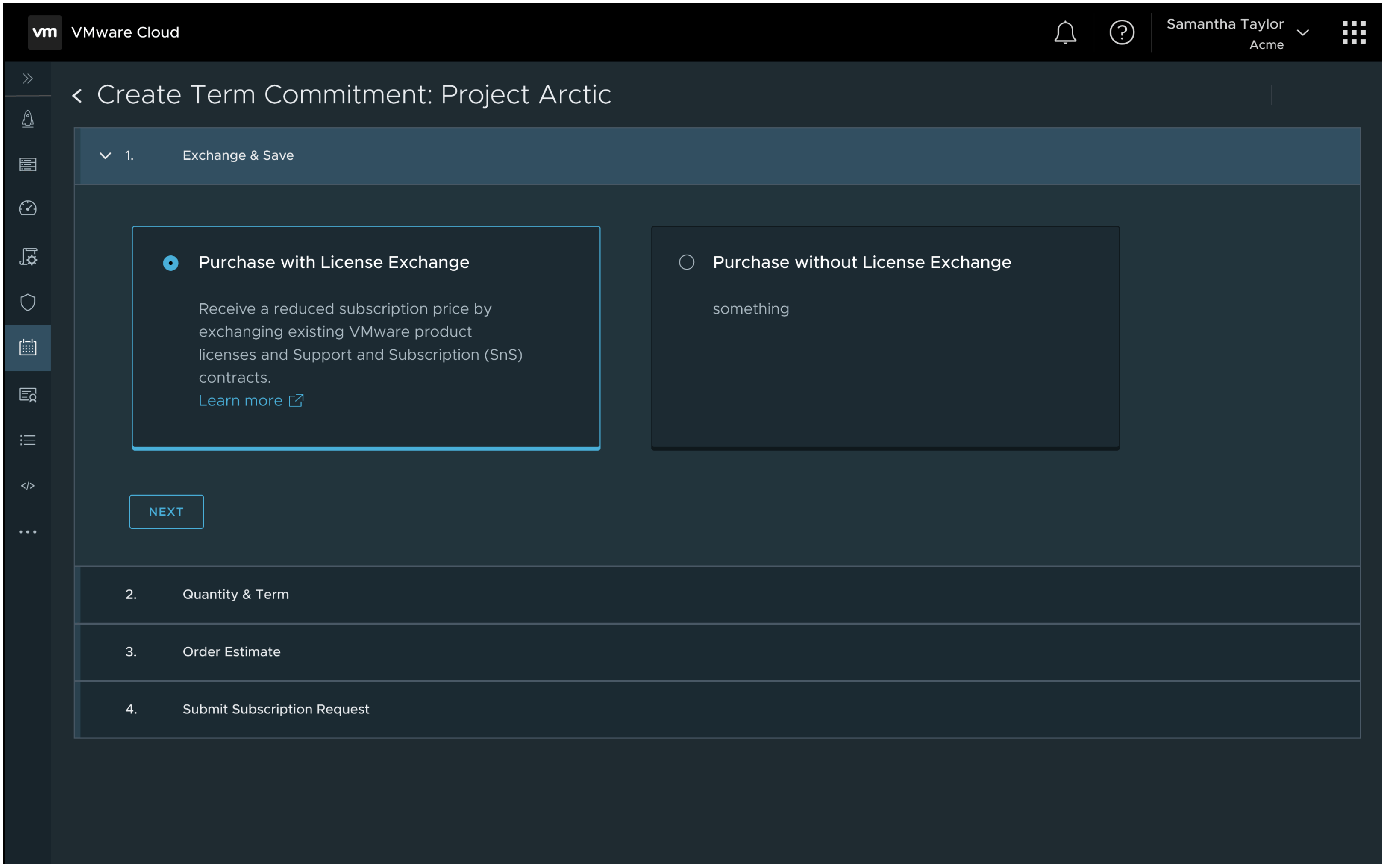
Once vCenters are connected to VMware Cloud, the License Exchange Plan simplifies the process for VI Admins to convert licenses into a subscription term commitment. The workflow offers flexibility, allowing admins to create a term commitment with or without license exchange.
Global View of Infrastructure Inventory
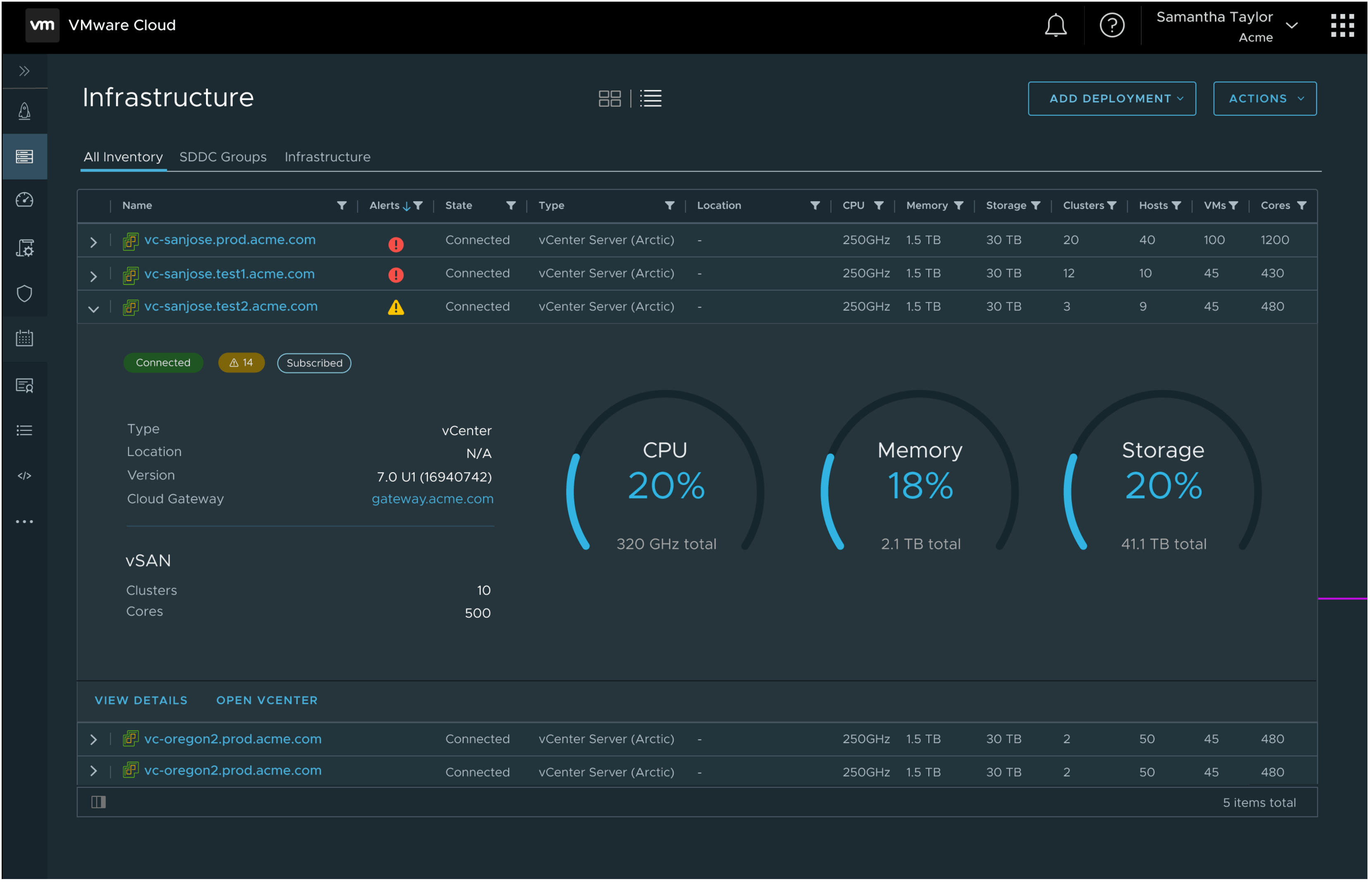
The Single Pane of Glass offers a unified view of all vSphere-based deployments across on-prem and cloud infrastructure. Designed for scalability, the framework also integrates connected VMware products like vSAN under subscription. The global infrastructure view enables VI and Cloud Admins to centrally monitor capacity, optimize performance, and troubleshoot operations efficiently.
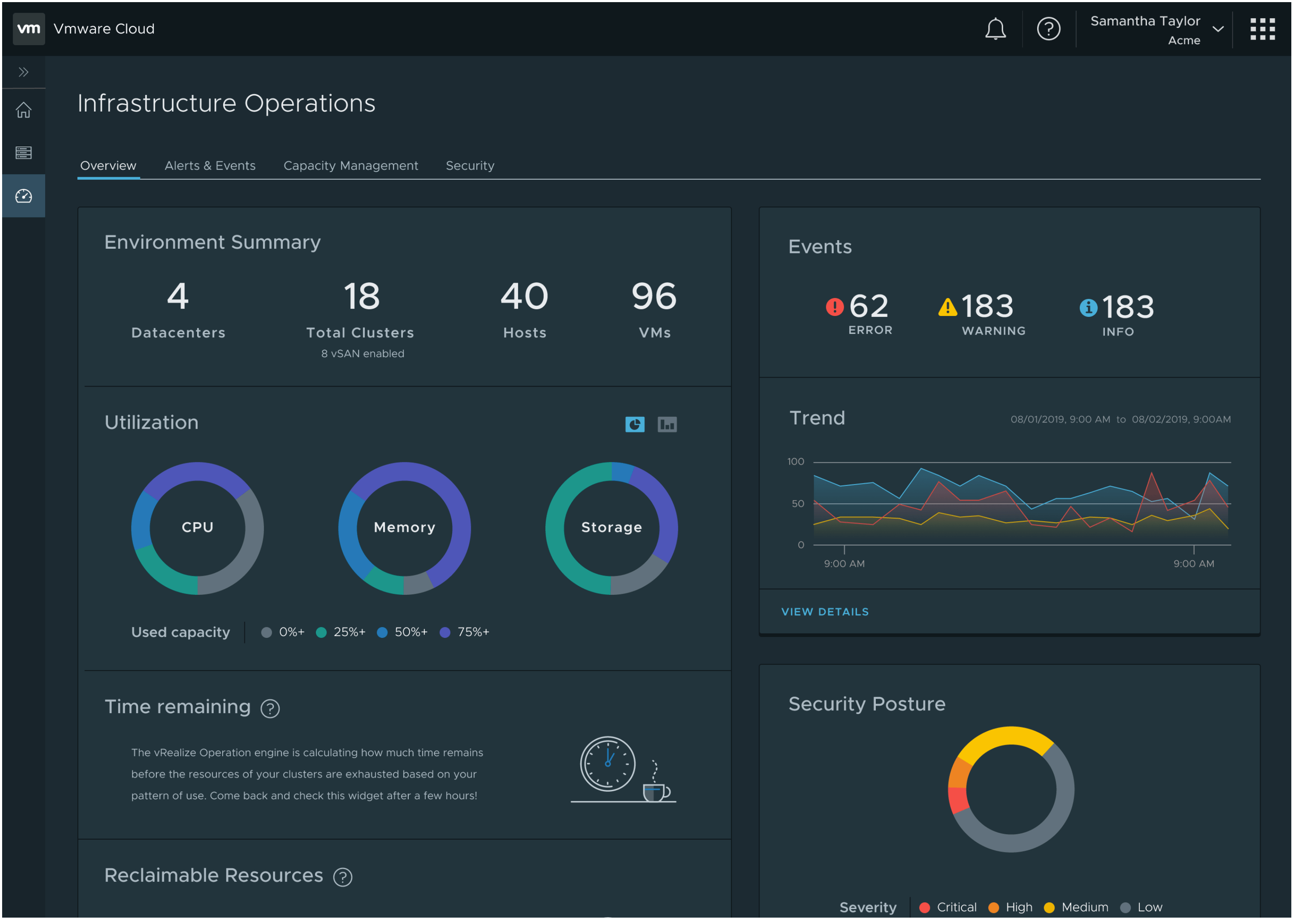
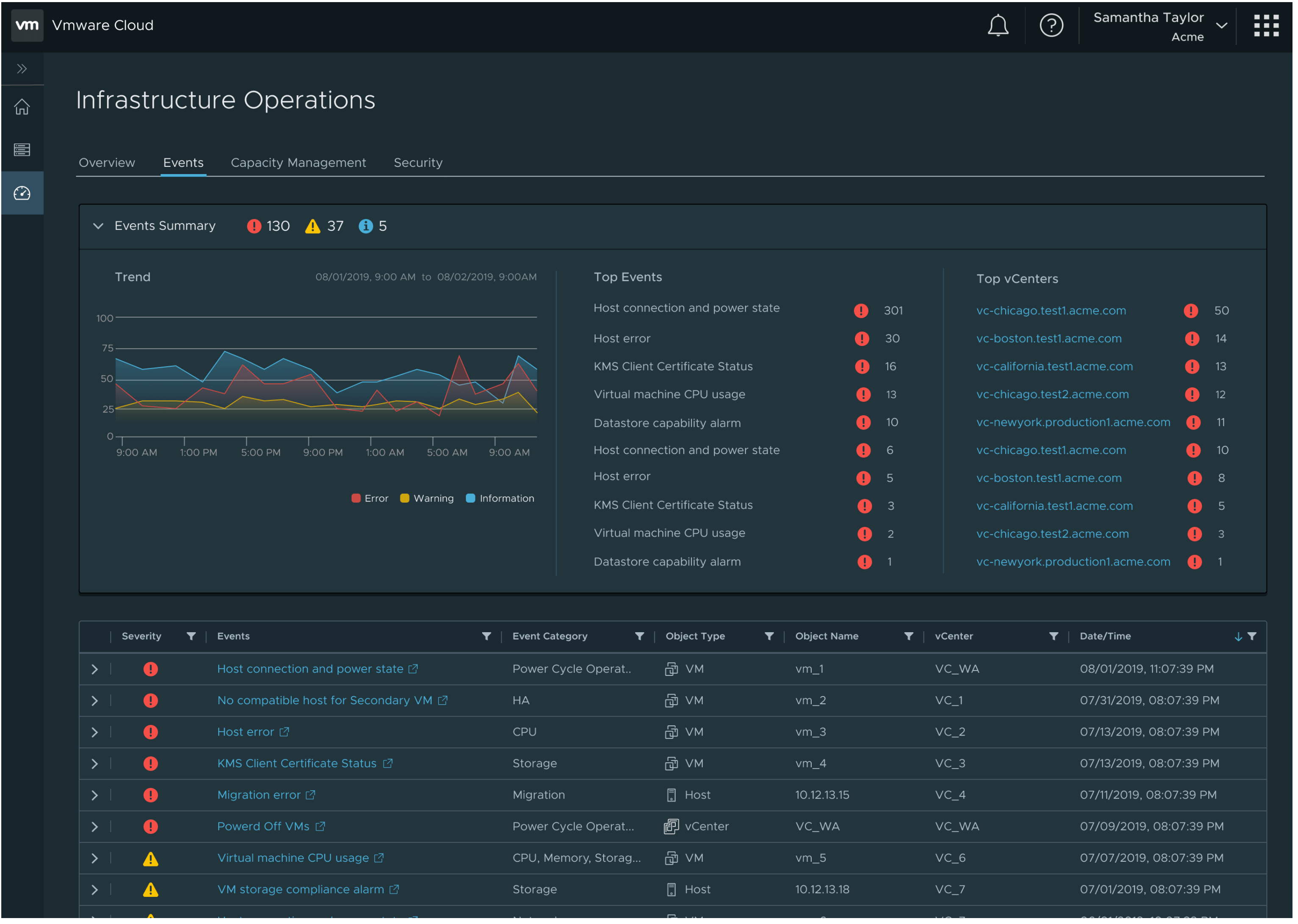
Unified Operations View
Provides a single pane of glass for VI Admins to see critical operational parameters across the vCenter deployments.
- Critical alarms and events across vCenters
- Capacity management across Clusters
- Critical security issues across vCenters and Hosts
vCenter Configuration
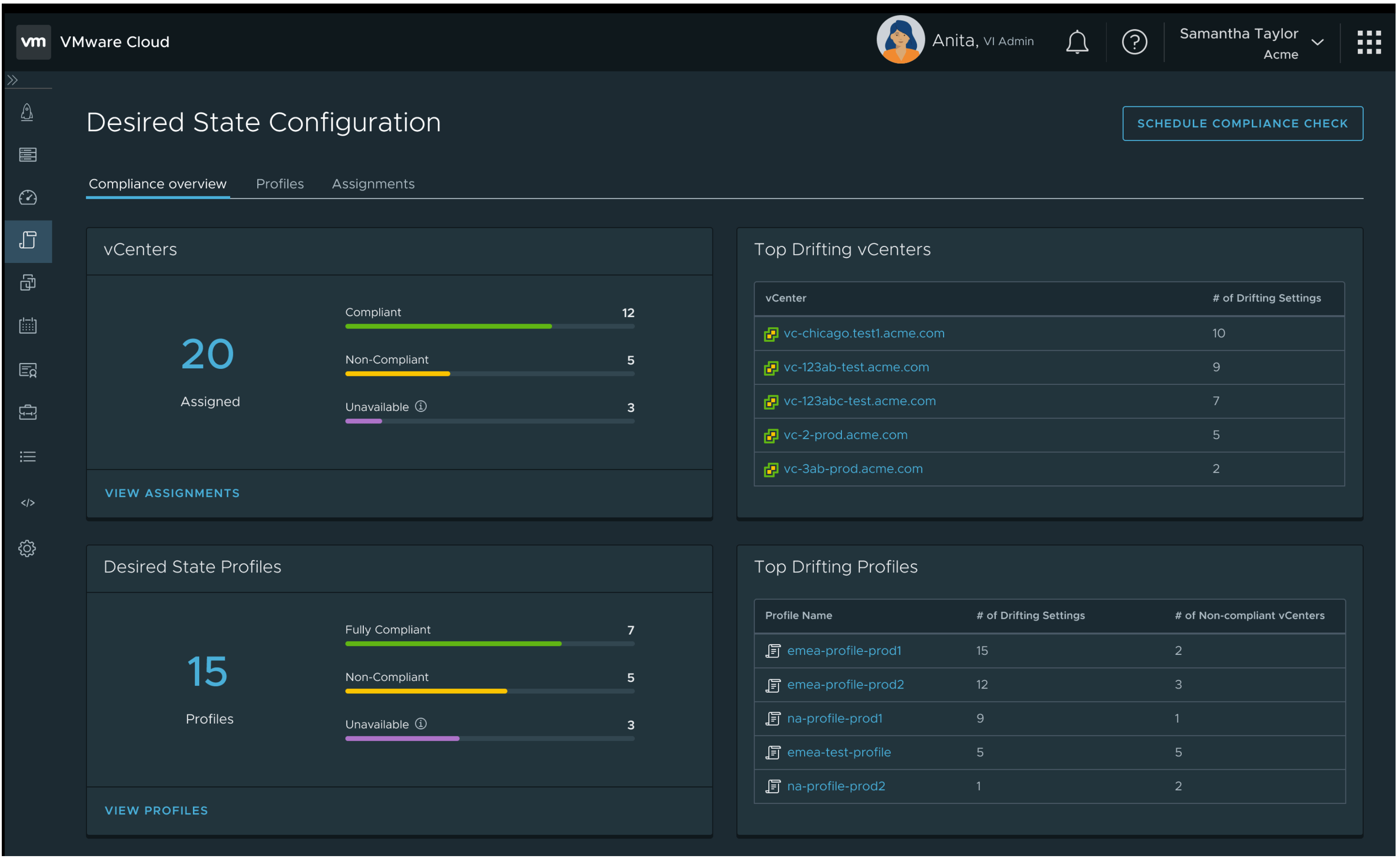
The Desired State Configuration Service enables VI Admins to define and enforce vCenter profiles globally, ensuring compliance with organizational policies and industry regulations. It also provides drift monitoring, corrective action capabilities, and an audit trail, all accessible from a centralized cloud console.
VM Service
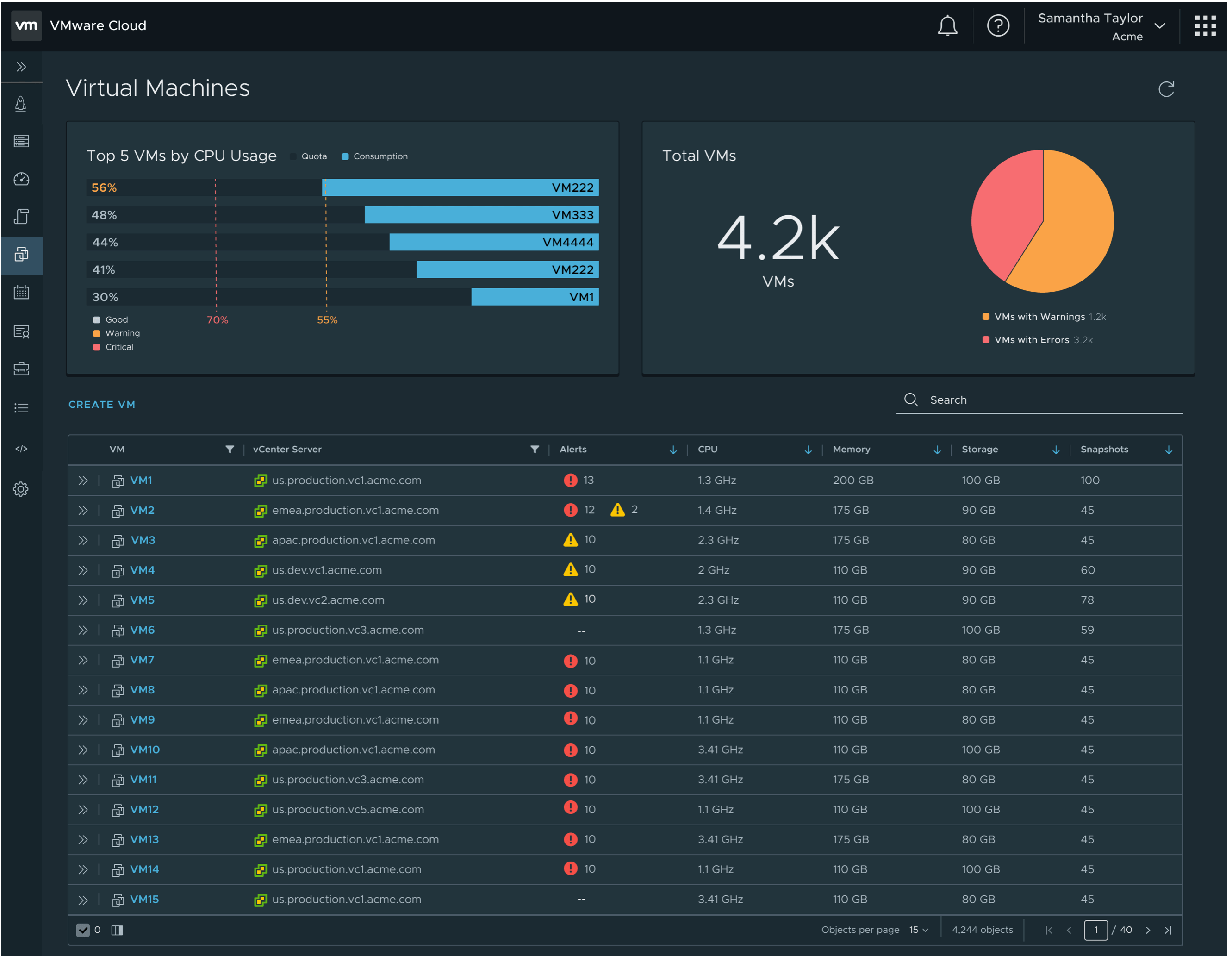
The VM View offers an aggregated dashboard of VMs across multi-vCenter infrastructure, displaying resource consumption and quick search capabilities. The VM Service enables fast actions like Power On/Off and Snapshotting, while also allowing VM creation on any available cluster across any vCenter.
Customer feedback and validation
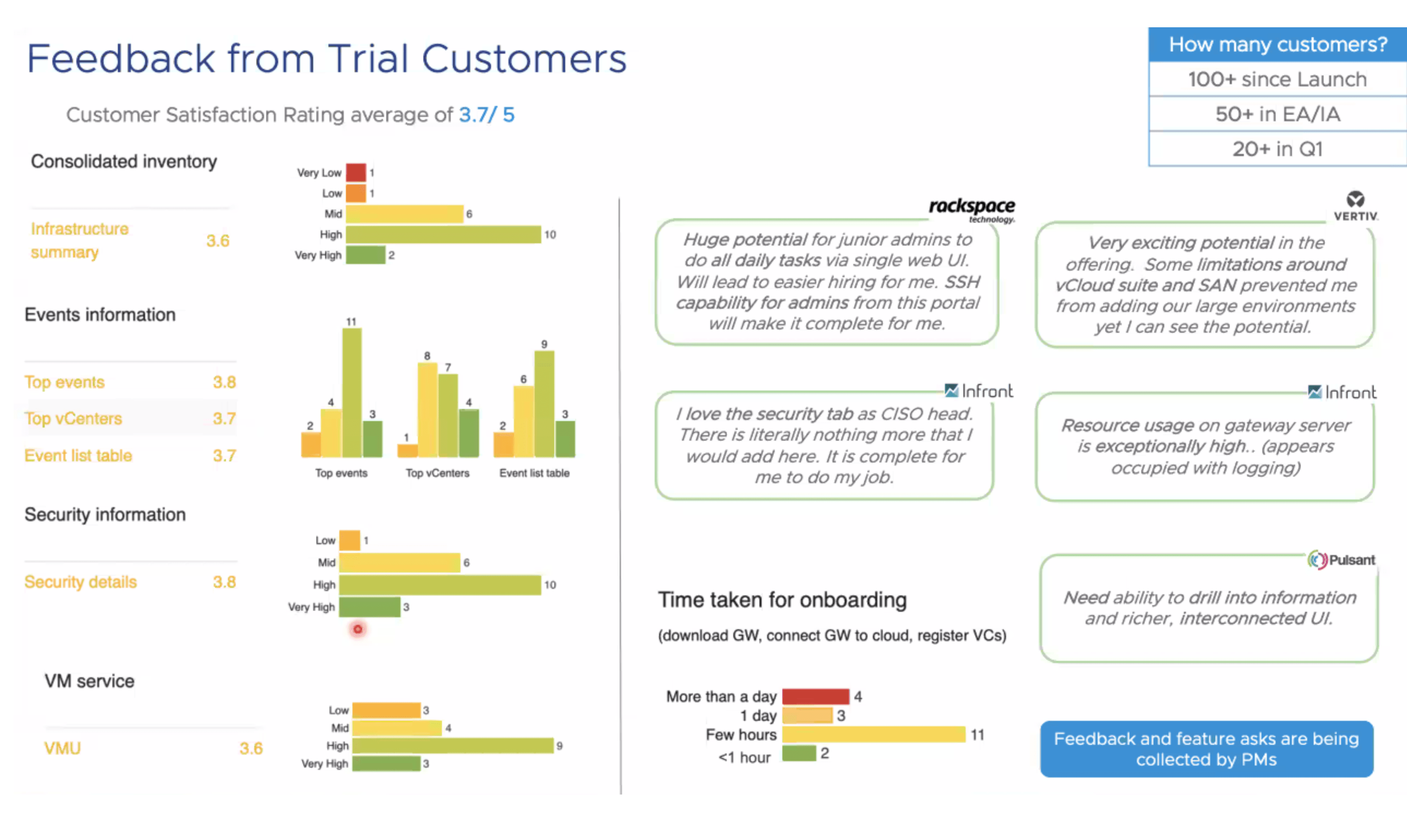
We validated the value proposition of planned vSphere Cloud Services through Design Studios (1:1 sessions) and the Design Partner Program (focus groups), ensuring alignment with user needs and expectations.
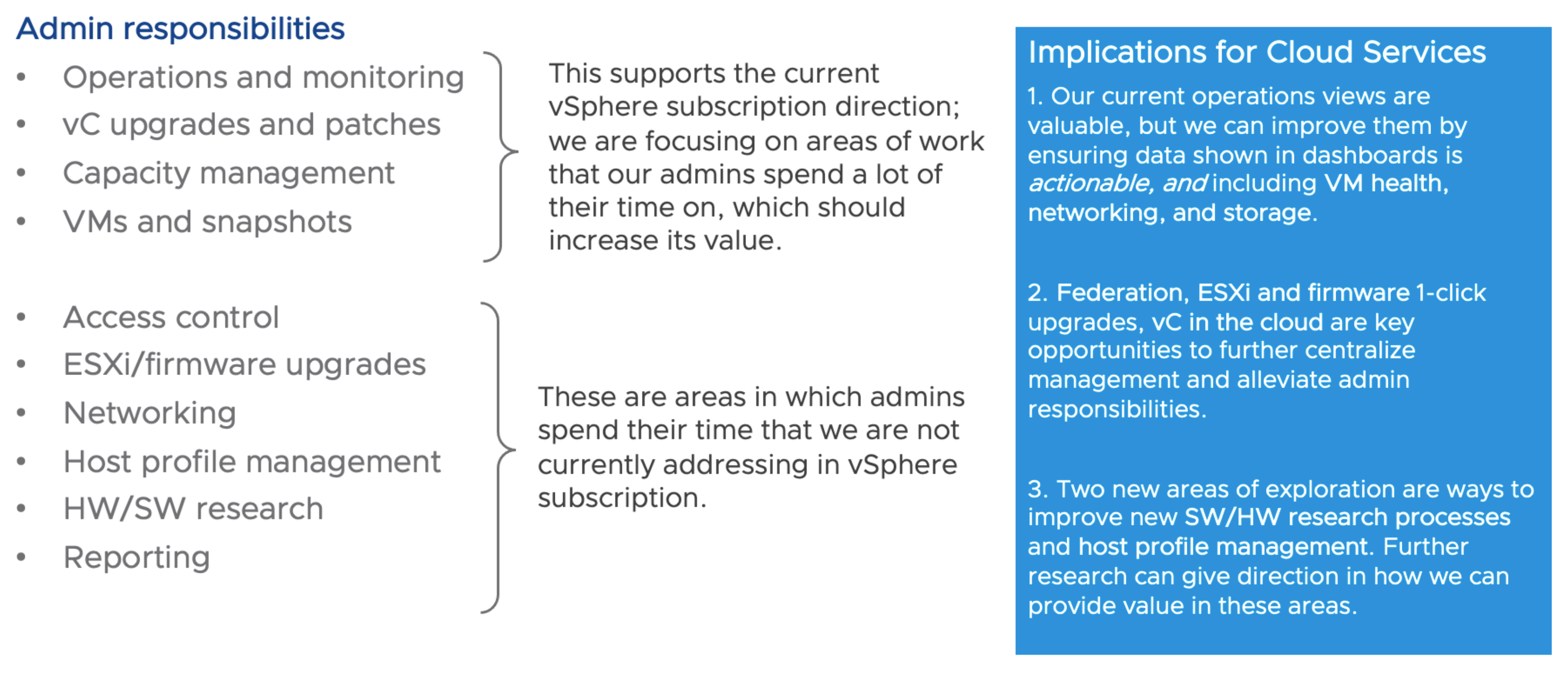
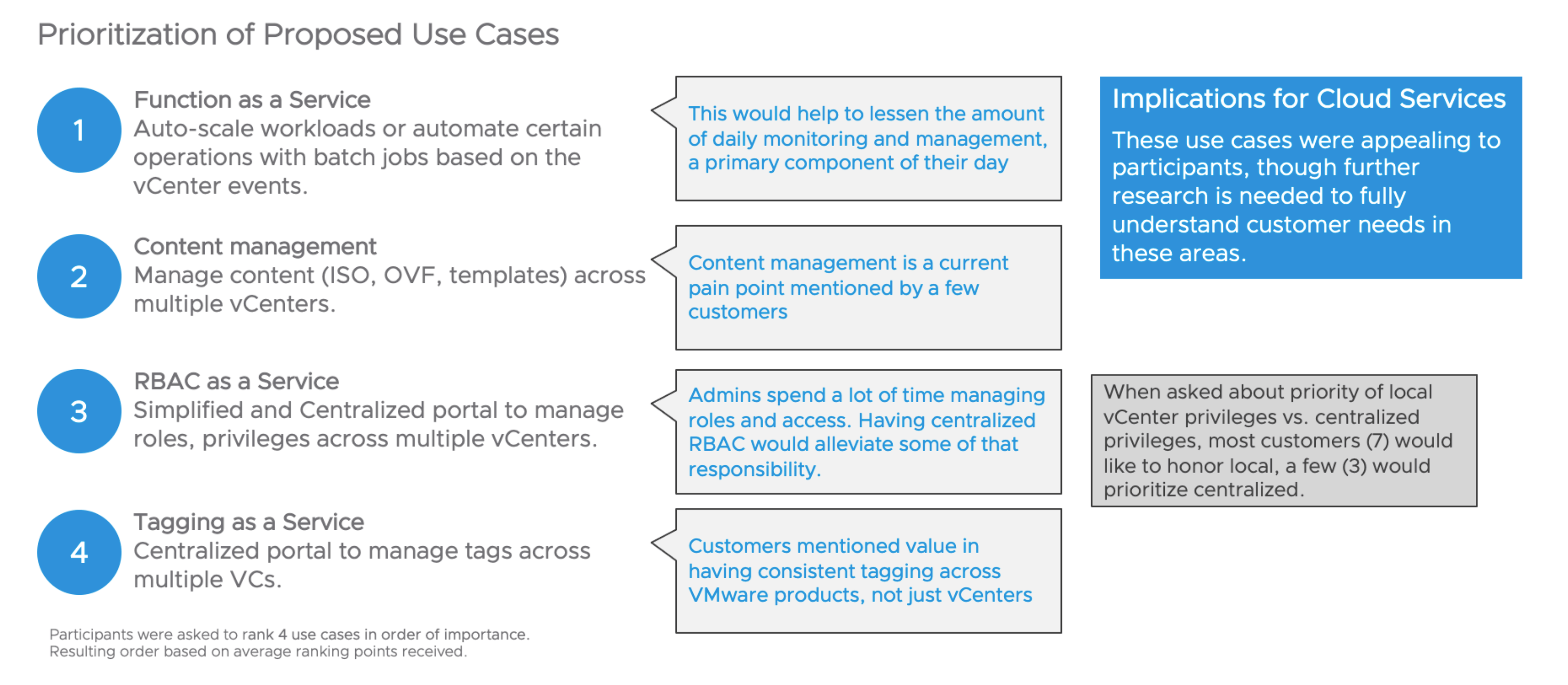
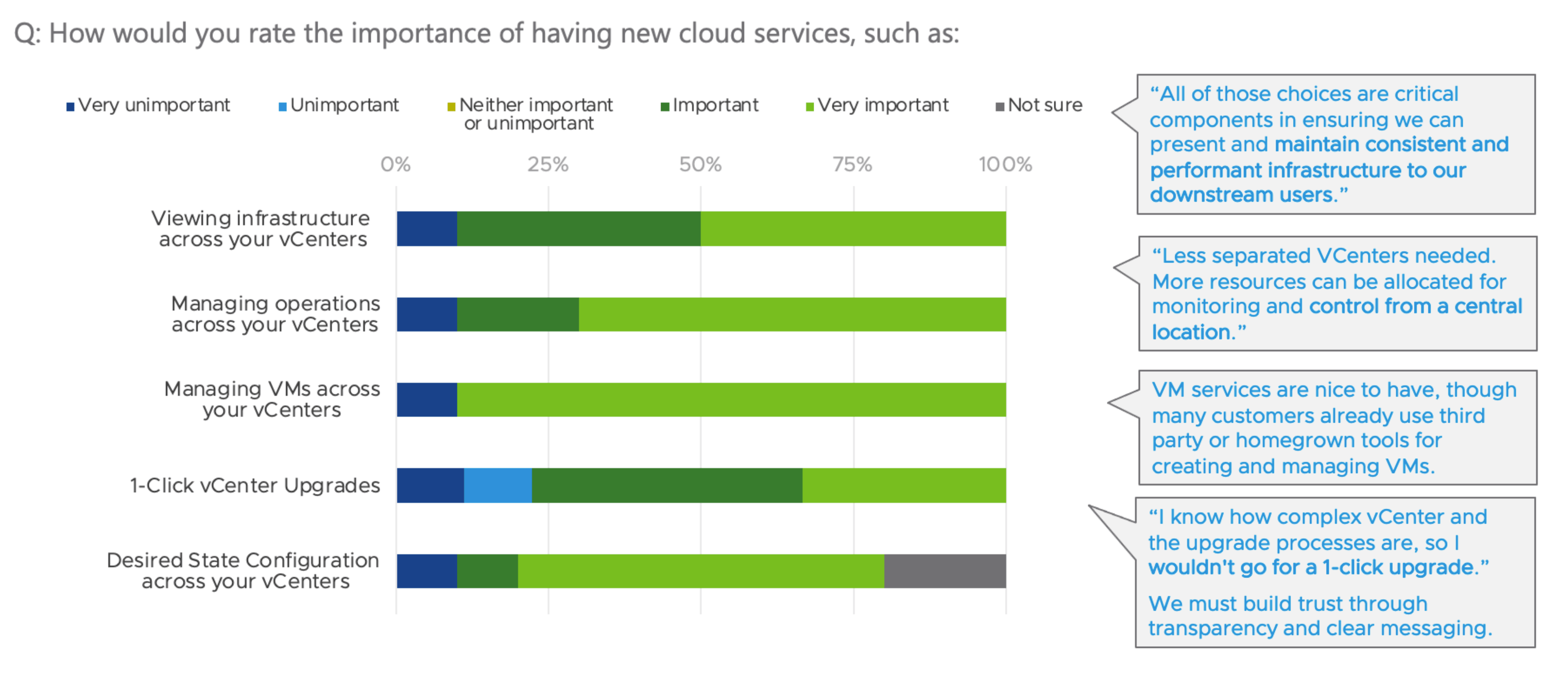
We also gathered feedback from 24 early access customers: 9 small (<5 vCenters), 9 large (>5 vCenters) and 6 partners.
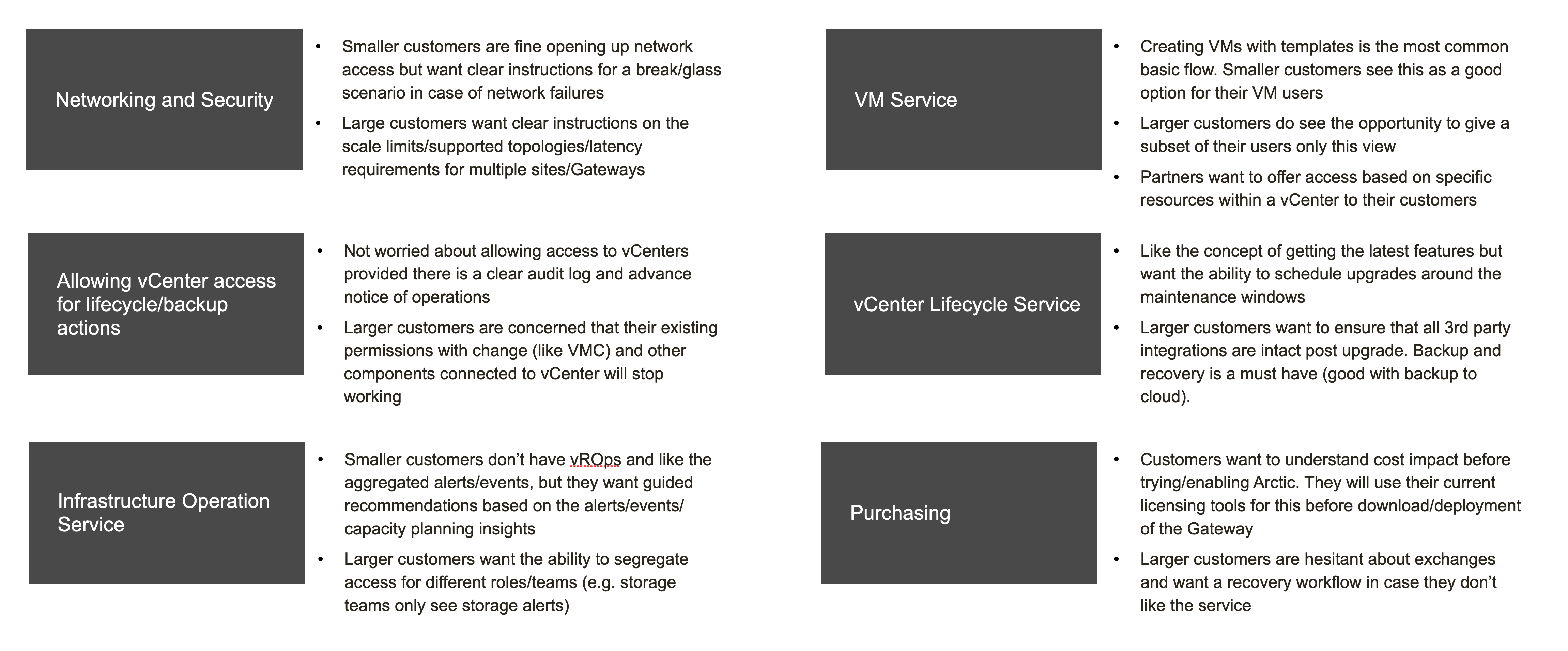
Impact
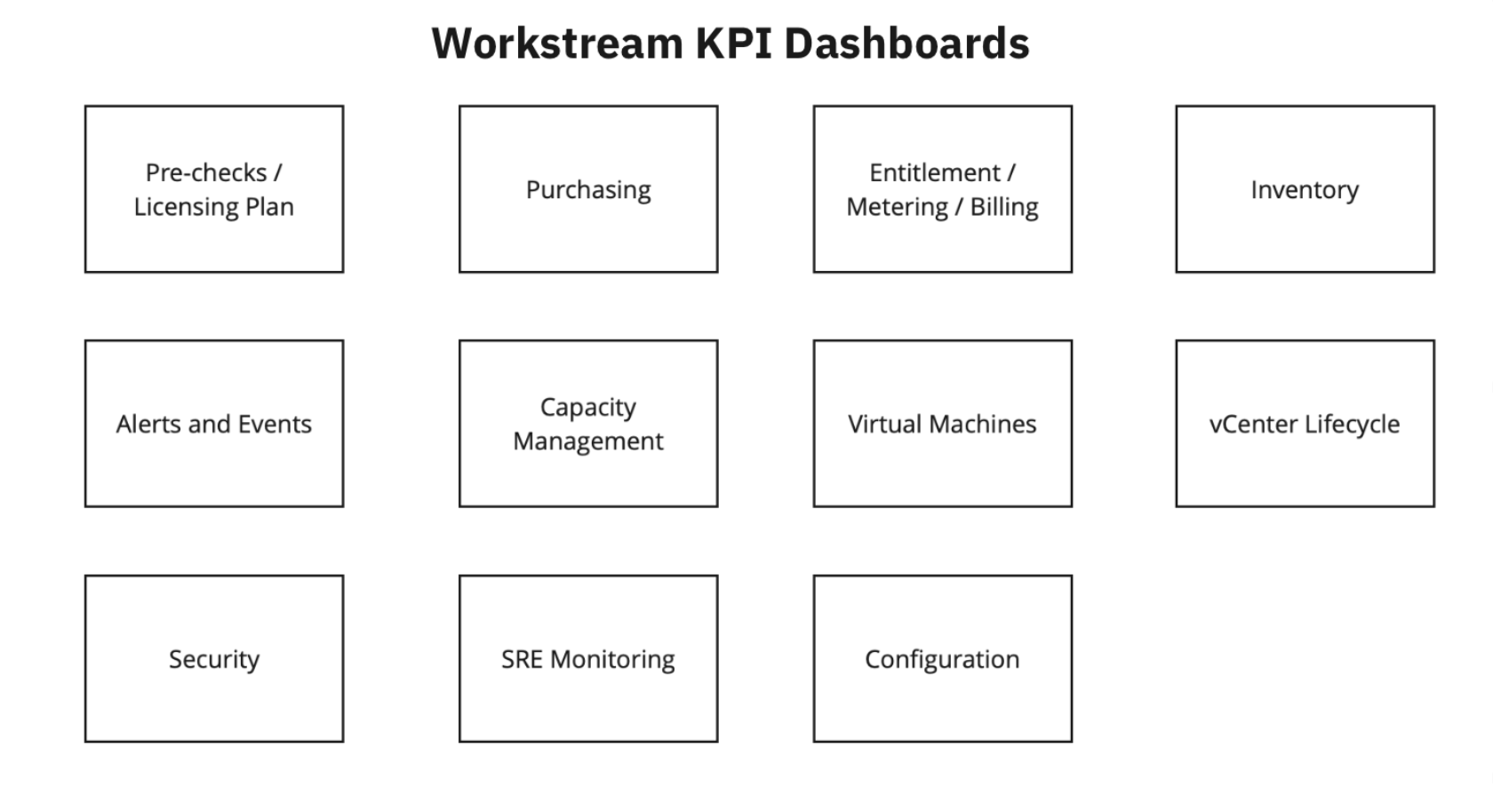
Working with the product management and UX leads for each work stream, I established a framework to measure business success and customer experience as we transition to Initial Access and commercialization. Detailed KPIs will track feature adoption and provide insights to drive continuous product improvements.

Vision for Cloud-connected vSphere
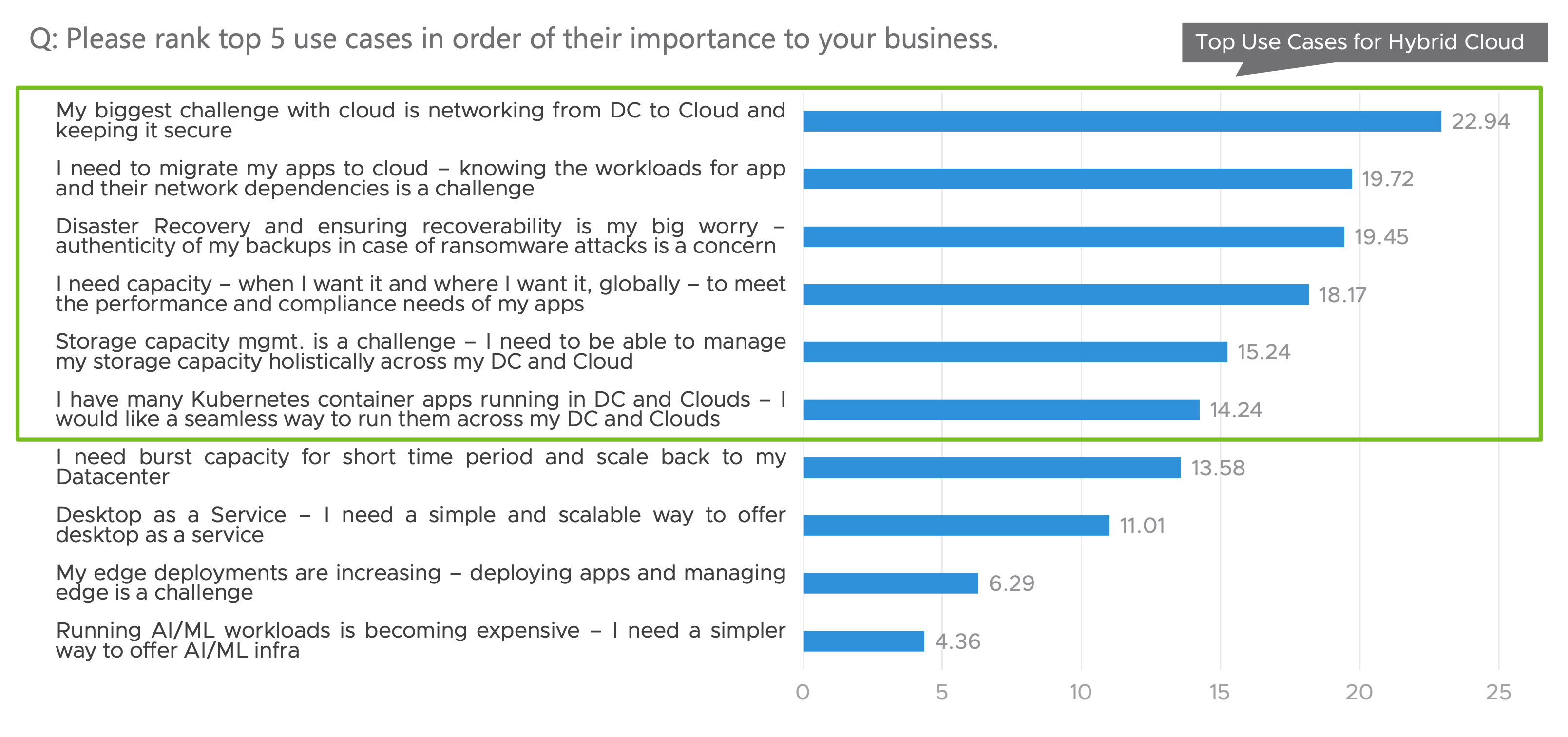
We conducted five focus groups with 40 customers to identify key use cases and business needs for cloud capacity expansion. The insights validated Disaster Recovery as a top priority and highlighted networking between on-prem and cloud as the biggest challenge.
To refine the vision for vSphere Subscription with integrated Cloud Capacity, we selected top use cases for prototyping and customer validation. Engineering efforts are underway to simplify networking challenges and ensure seamless cloud integration

Vision: vSphere with Integrated Cloud Capacity
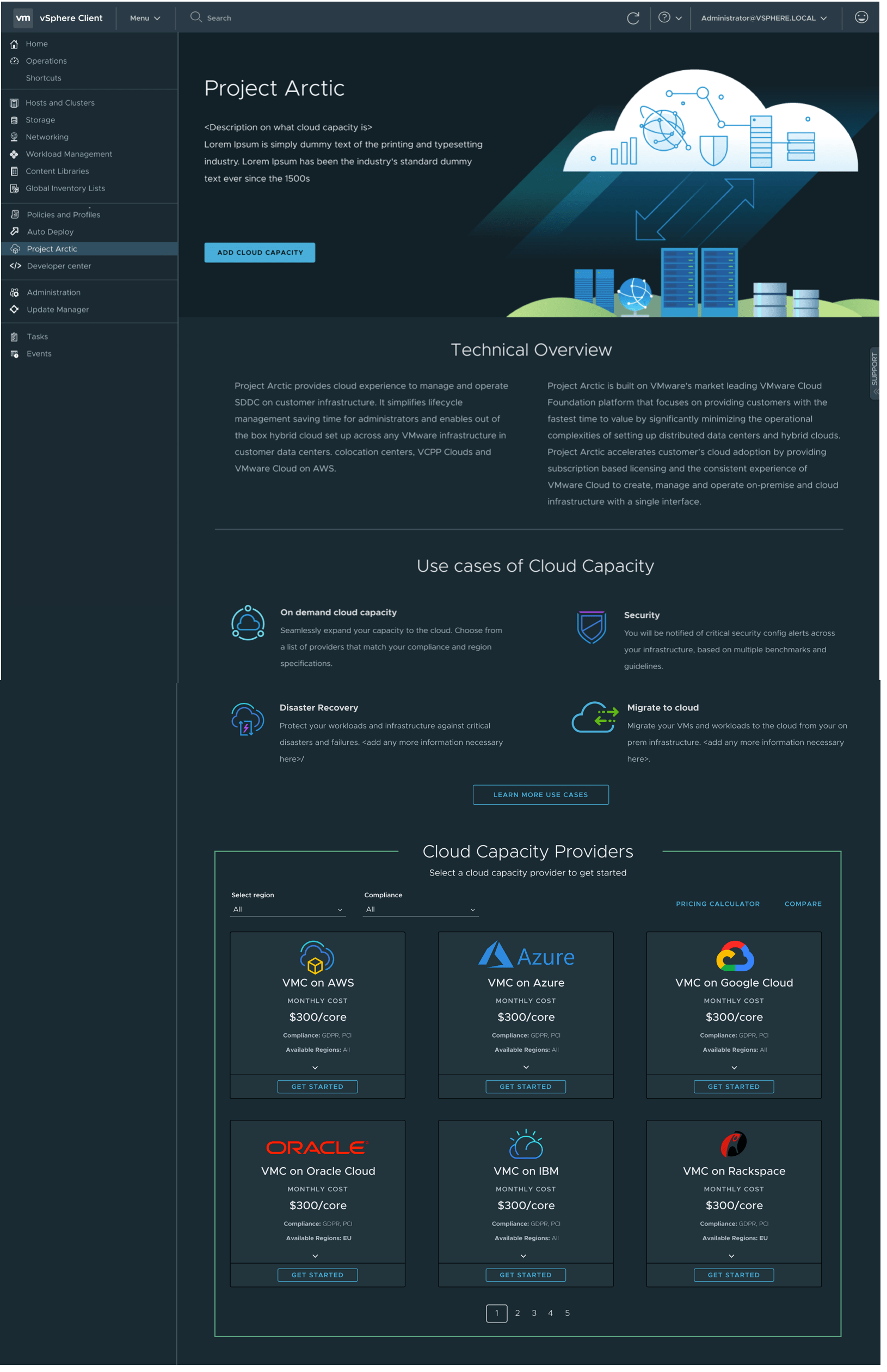
The feature enables VI Admins to activate Cloud Capacity on demand directly from the vSphere UI when on-prem resources are depleted. Admins can select a Cloud provider based on cost, compliance requirements, and application complexity, ensuring optimal resource allocation.
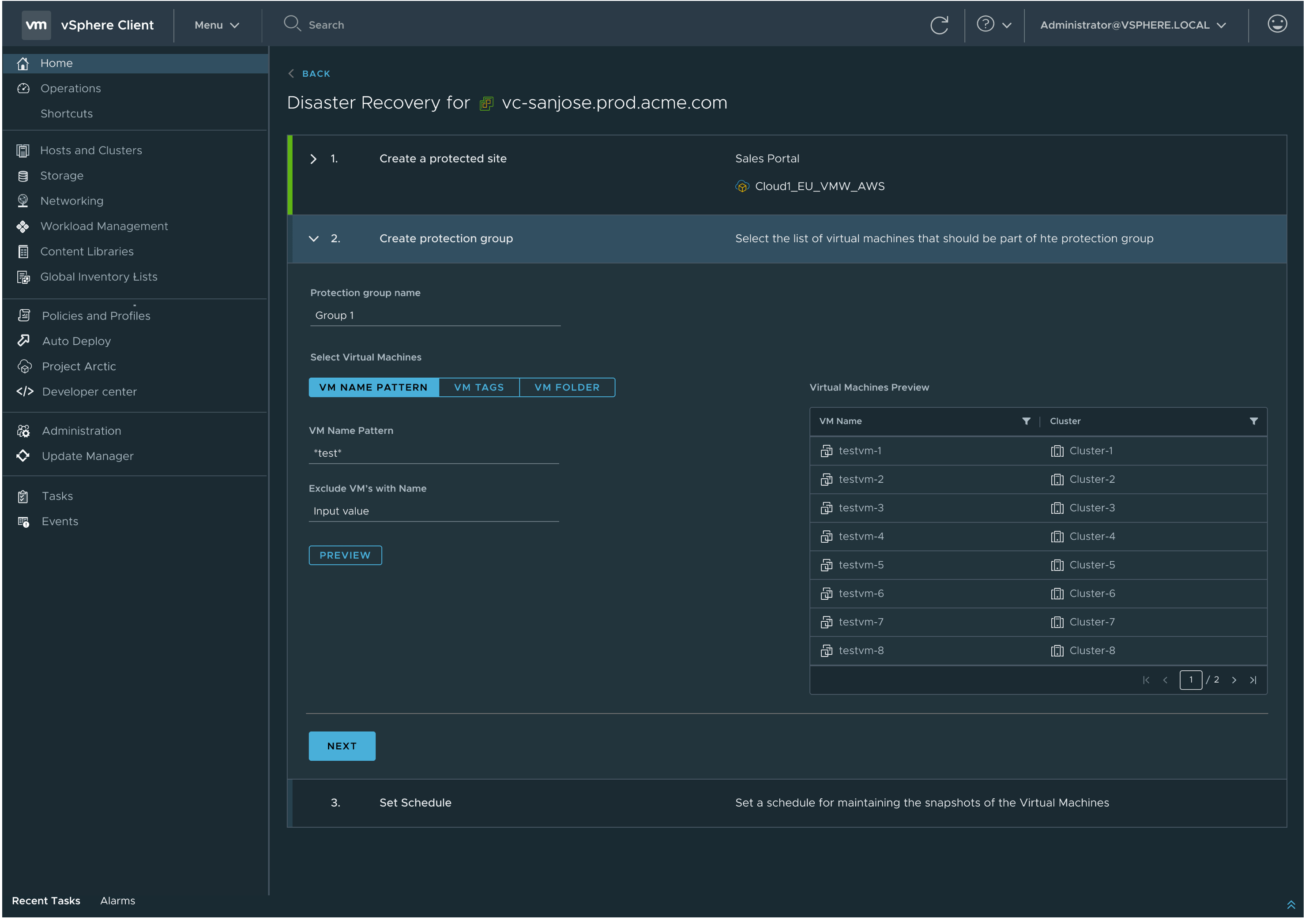
Vision: Disaster Recovery
Integrated Disaster Recovery Solution protects the VMs wherever they are.
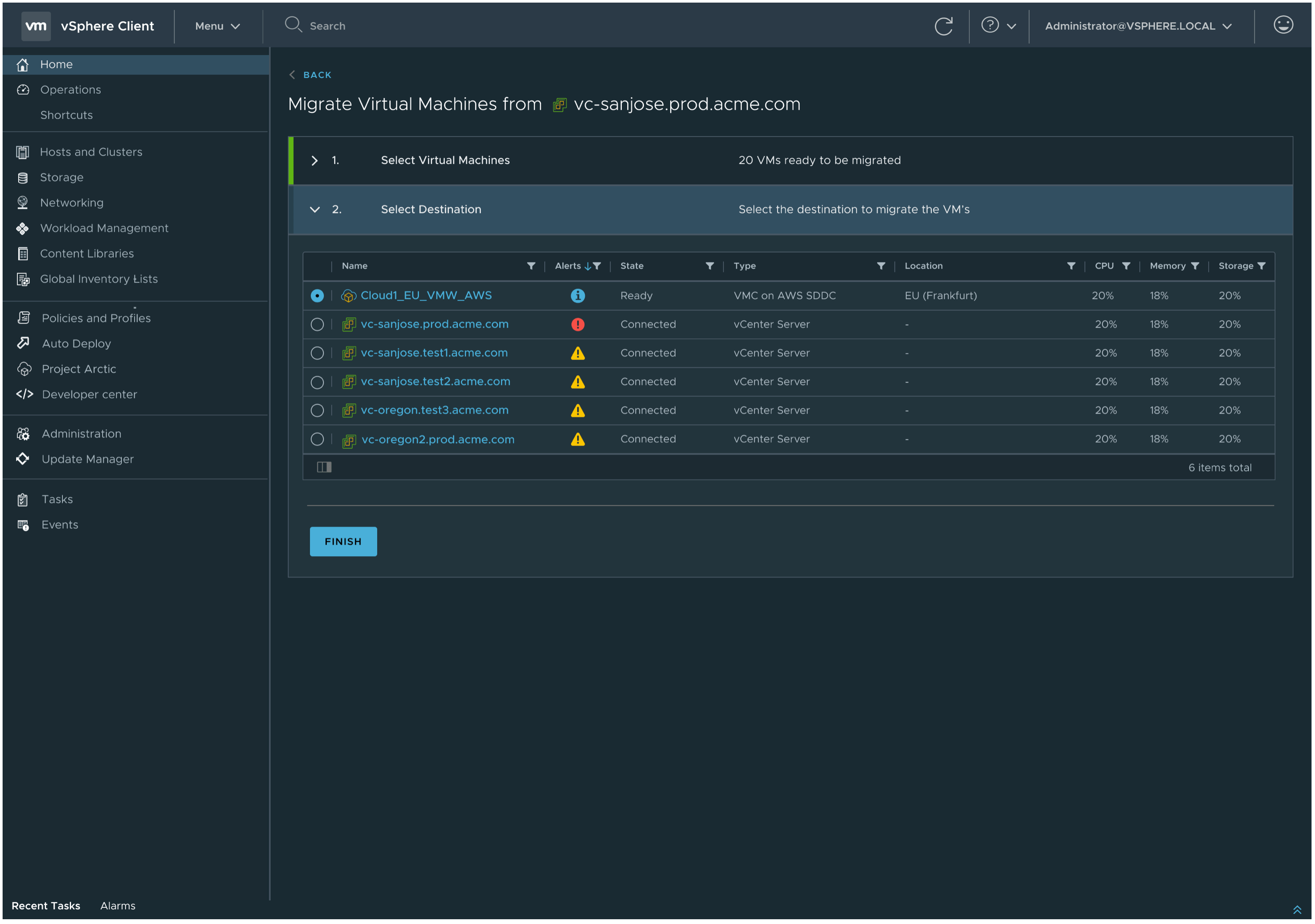
Vision: VM migration
Seamlessly migrate Virtual Machines between On-prem and Cloud.
See other Case Studies.
 abhijit.design