
Context
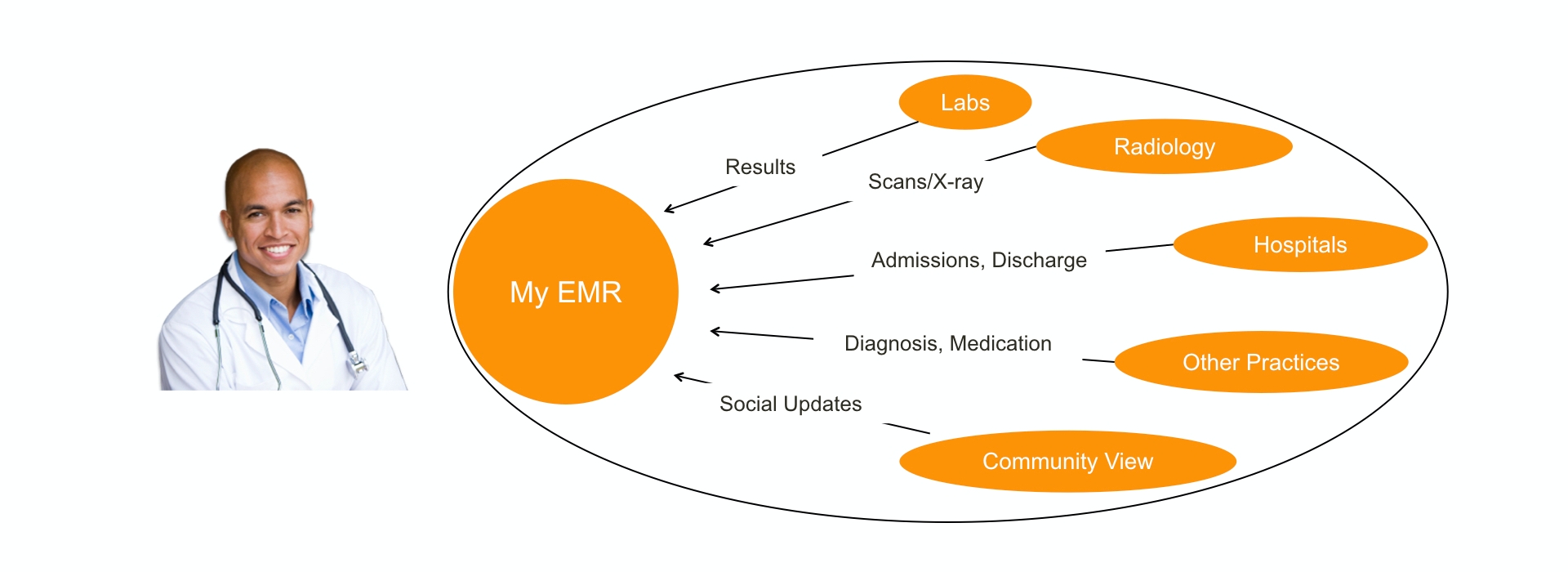
Siemens Healthcare had acquired MobileMD, a Pennsylvania-based medical startup specializing in Electronic Health Records (EHR). Following the acquisition, Siemens aimed to design a comprehensive Health Information Exchange (HIE) platform to facilitate coordinated patient care across multiple healthcare entities, including hospitals, physician clinics, urgent care centers, nursing homes, and labs.
The project involved collaborating with large hospital chains in the U.S. to co-create the vision for the platform using a human-centered design approach, ensuring that the solution addressed the complex needs of diverse healthcare stakeholders.
My Role
As Executive Design Director, I worked closely with Siemens Healthcare to reframe the problem statement, define a strategic design approach, and drive the end-to-end solution. My responsibilities included leading efforts to research, assess, envision, and validate the new product design strategy for Siemens’ Health Information Exchange (HIE) platform.
Approach
I led a product strategy and design team, including a UX strategist, information architect, and visual designer, to develop a human-centered design approach for Siemens’ Health Information Exchange (HIE) platform.
We collaborated closely with key Siemens stakeholders, including the Chief Product Officer, Head of Sales, Engineering, and Marketing, ensuring alignment between business goals, user needs, and technical feasibility.
This was a six-month engagement, during which we focused on strategic planning, user experience innovation, and product vision development to drive a seamless and effective healthcare information exchange platform.
Design Thinking Workshops
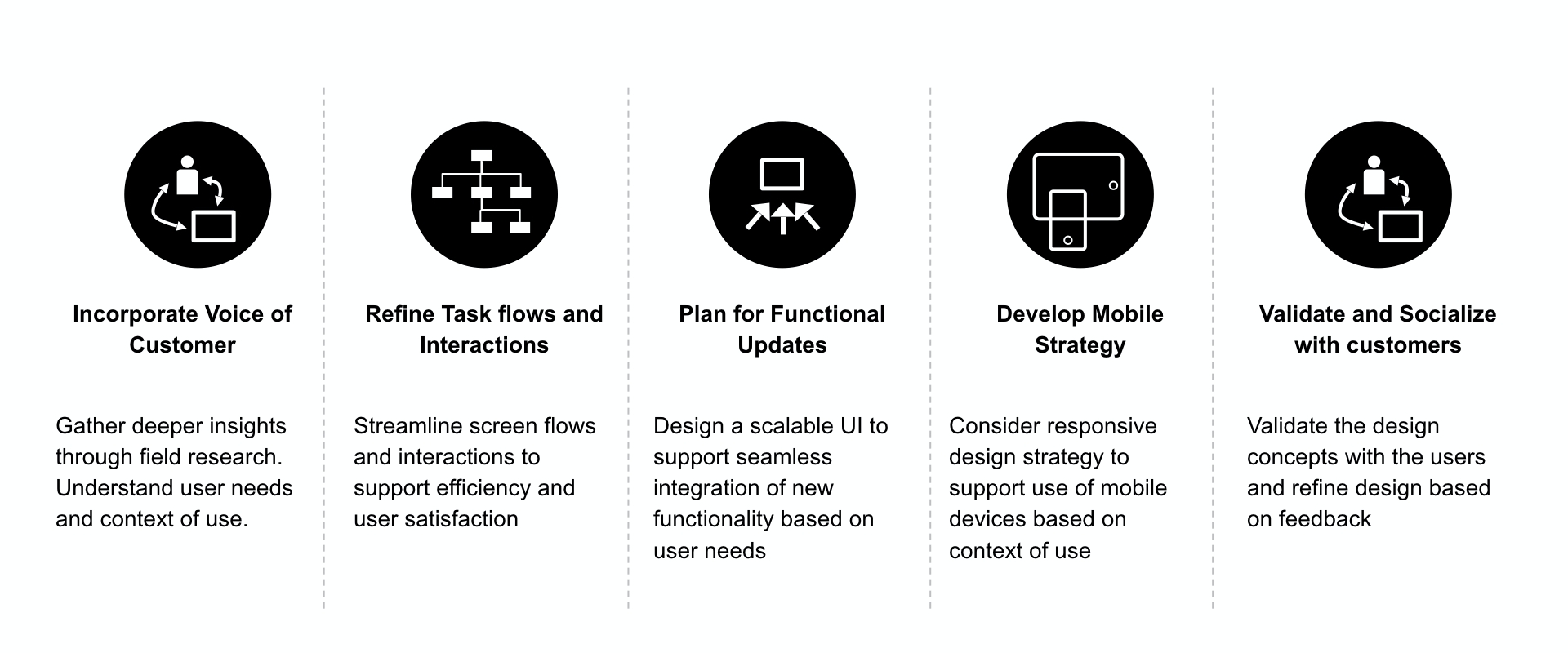
We conducted a series of Design Thinking workshops to define the vision, assess the current state, align stakeholders, and establish a strategic approach. These sessions facilitated discussions on user research insights and enabled teams to ideate on potential solutions. The final workshop focused on creating a prioritized product roadmap and defining the Minimum Viable Product (MVP) for the platform.
User Research
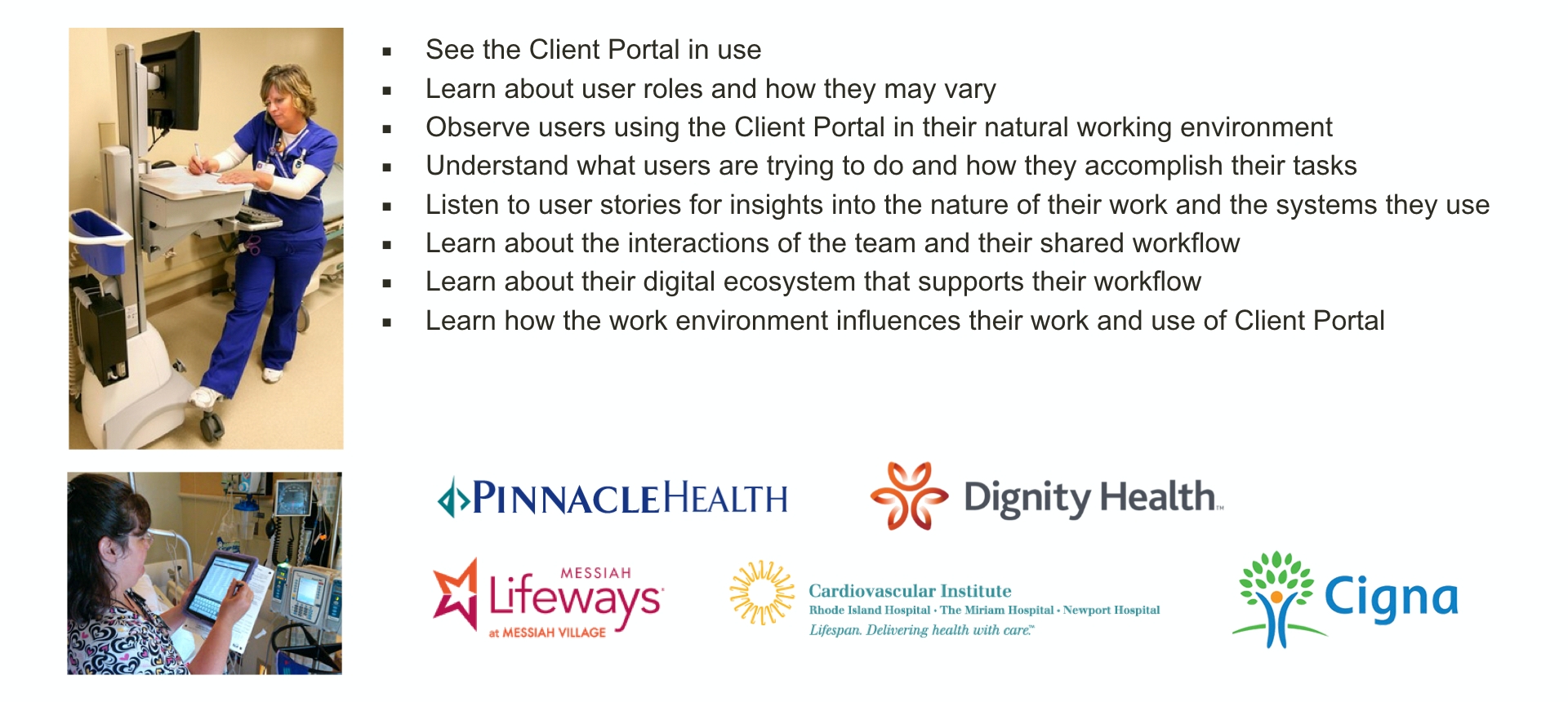
As part of user research, our team spent two weeks in the field, visiting large hospitals, nursing homes, private clinics, and labs. The goal was to gain firsthand insights into user roles, workflows, context of use, and key friction points. This research provided a deep understanding of the healthcare ecosystem, ensuring that the platform was designed to meet real-world needs and enhance care coordination.

Design Insights
Our design approach focused on optimizing usability, clarity, and efficiency to enhance the user experience. Key insights included:
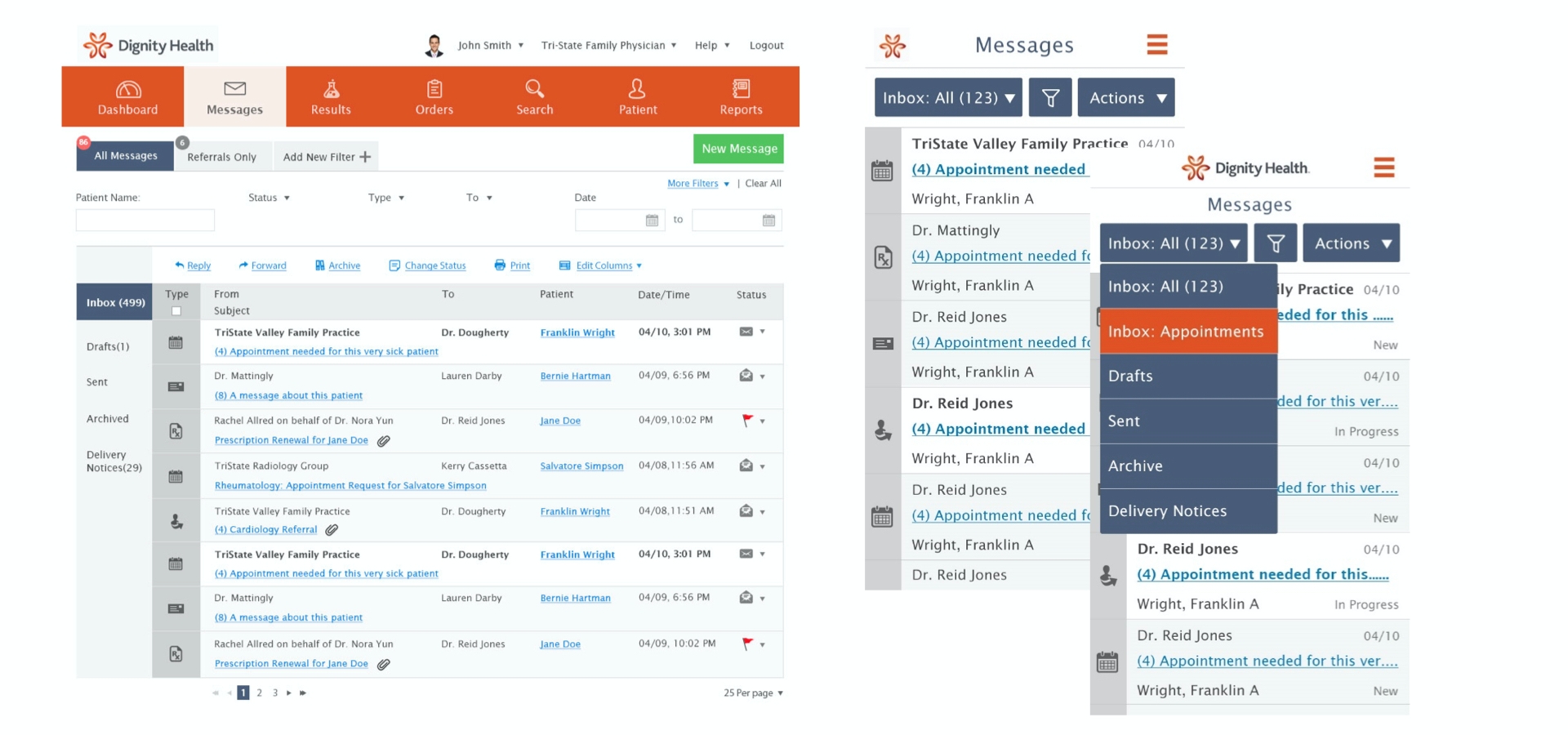
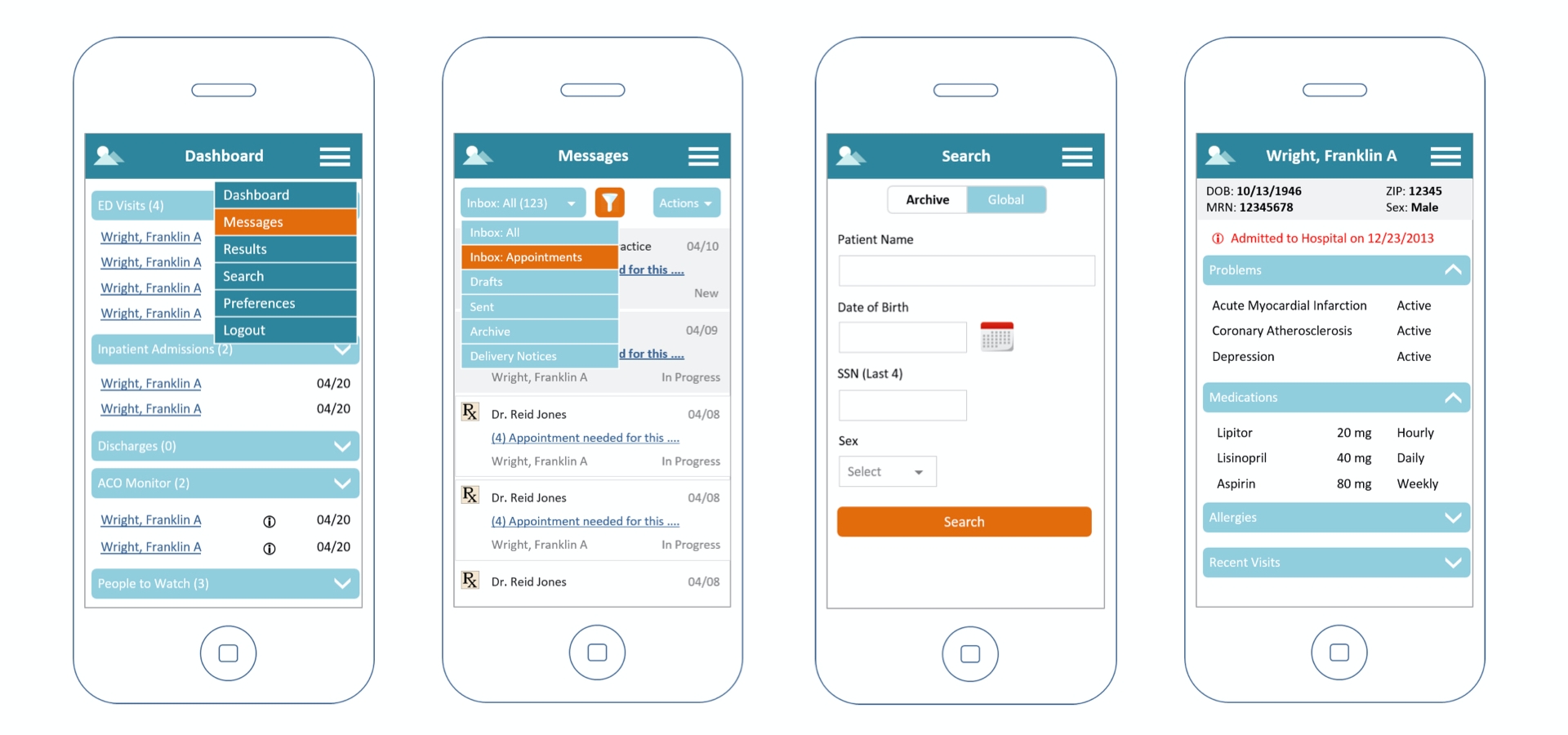
- Highlight critical information and events through dashboards and alerts for better visibility.
- Evaluate the benefits of consolidated vs. separate inboxes to improve workflow efficiency.
- Leverage familiar inbox and threaded message paradigms to enhance usability and ease of adoption.
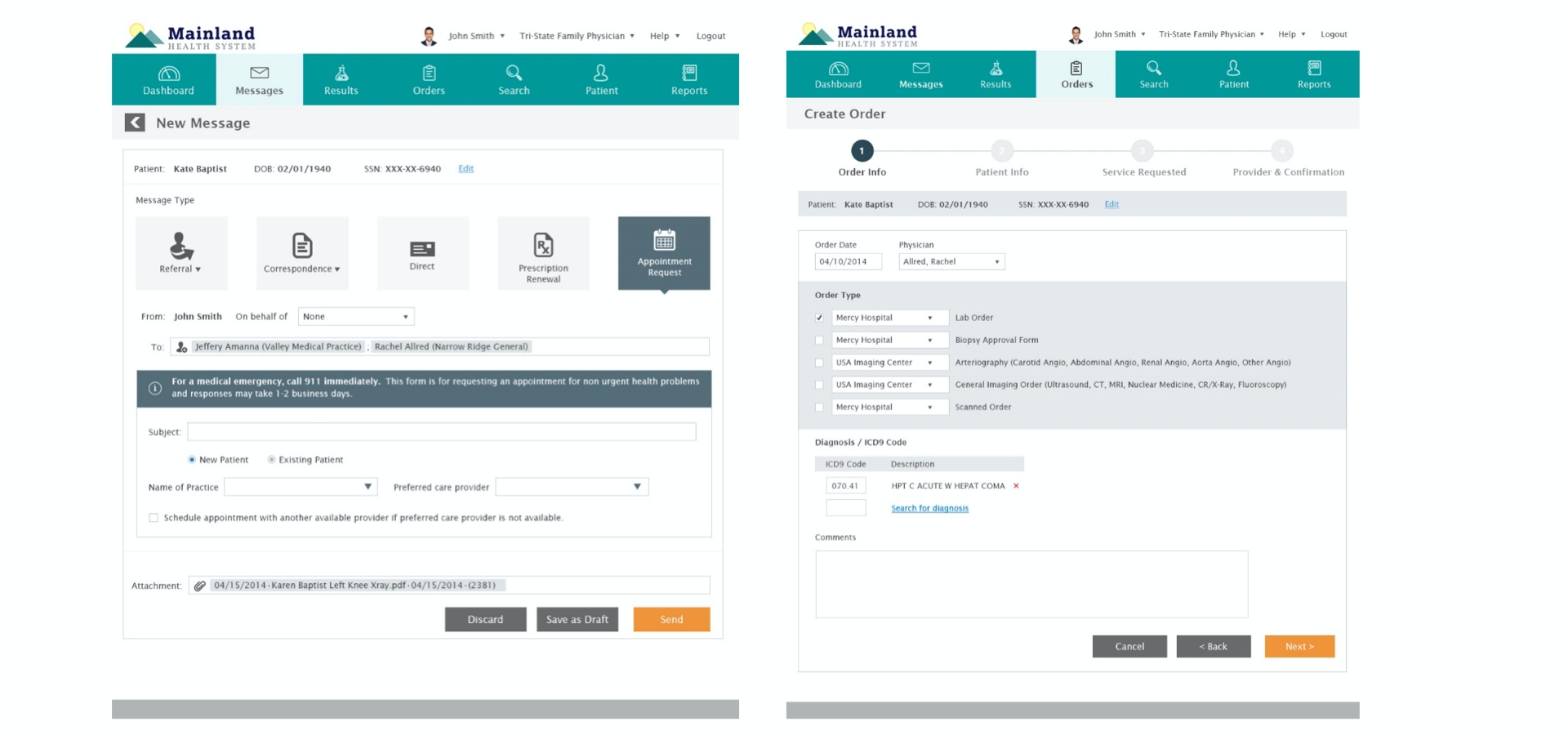
- Prioritize relevant data and key fields, pushing less critical information out of immediate view to create a cleaner, less cluttered interface.
- Group related functionalities (e.g., global, archive, and document search) for intuitive navigation.
- Emphasize data over documents, ensuring users can quickly access and interpret key insights.
- Provide customization options to give users control over the information displayed.
- Explore multiple visualization methods for patient documents and test results to optimize readability.
- Minimize jargon and use familiar terminology to improve comprehension and accessibility.
- Continuously validate designs with representative users before in-depth development to ensure alignment with real-world needs.
This user-centered approach ensured that the platform would be intuitive, efficient, and adaptable, addressing key challenges faced by healthcare professionals.
Proposed Design Solution
Business Impact
This project enabled Siemens Healthcare to establish a shared vision for the platform and validate it with key customers, ensuring alignment with industry needs. The experience design blueprint and prototypes provided a structured framework for engineering teams to accelerate enterprise architecture development.
Additionally, we collaborated closely with the Product Manager to create an epic-level product backlog and define the Minimum Viable Product (MVP), helping to streamline development and accelerate time to market. This approach ensured a faster, more efficient implementation, positioning Siemens for successful product launch and adoption.
See other Case Studies.
 abhijit.design